
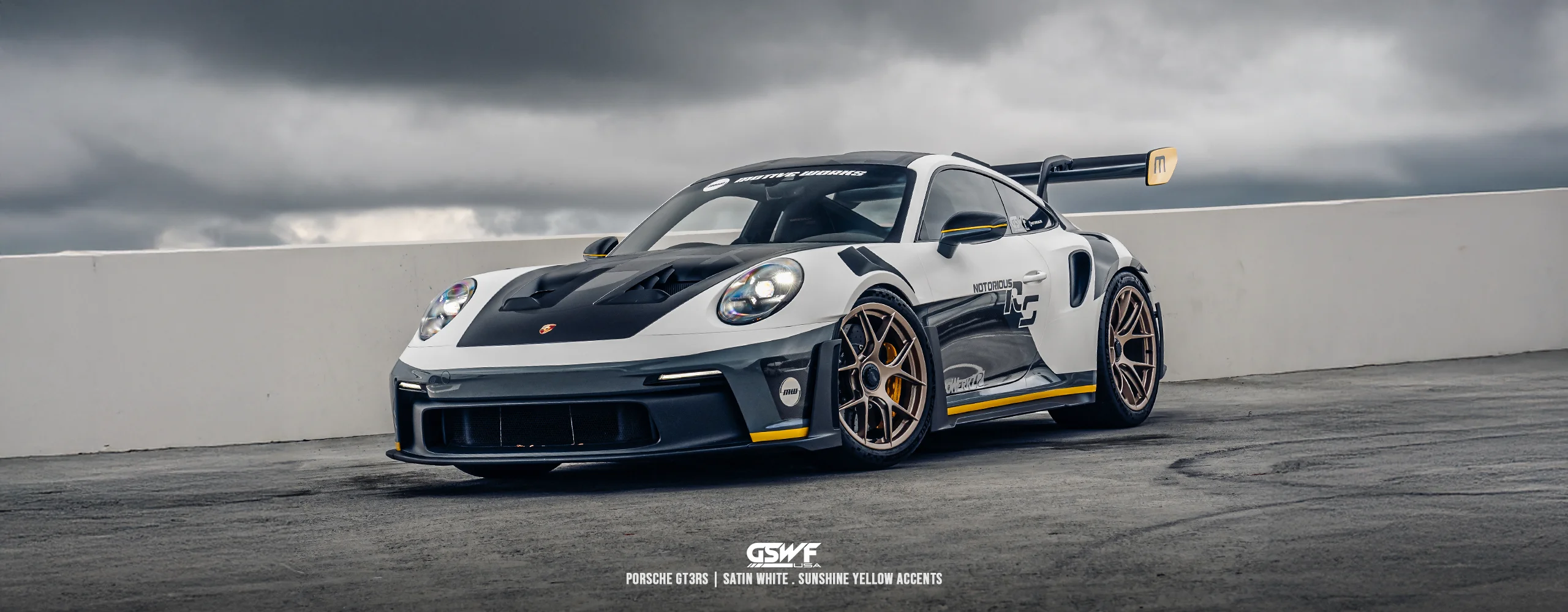
10 Common PPF Mistakes to Avoid: Paint Protection Film Installation & Care Errors
Paint protection film is one of the best ways to keep your car’s paint safe from stone chips, scratches and Indian road grime. But the film is only half the story — the buying decisions around it matter just as much. Most PPF mistakes happen before the installer even opens the roll, and they end up costing owners far more than they saved.
Below are the ten errors we see most often in Indian studios, what each one actually costs you, and how to sidestep it. If paint protection film is new to you, it helps to start with the complete buyer’s guide to protective car films and then come back to this list.
What Makes These Errors So Expensive
A full-body job on a Hyundai Creta runs roughly ₹1,05,000 – ₹1,40,000 in India. A Toyota Fortuner sits closer to ₹1,45,000 – ₹1,90,000. That is real money, and unlike a ceramic coating you cannot simply redo it next month — badly applied film has to be heat-lifted off panel by panel first.
The pattern is almost always the same. An owner saves ₹30,000 on the quote, the film fails in eighteen months, and the removal plus reinstallation costs more than the premium option would have. Avoiding these mistakes is not about spending more. It is about spending once.
PPF Mistake #1: Buying the Cheapest Film You Can Find
Choosing film on price alone is the single most common error, and the most expensive one.
Cheap films look identical in the showroom. The difference is in the material and the thickness. A quality TPU (thermoplastic polyurethane — a flexible, self-repairing plastic) film runs 190 to 250 microns with a proper top coat. Budget PVC-based film is often 100 to 150 microns with no meaningful top layer. Within two Indian summers it cracks at the panel edges, yellows on the bonnet, and peels where the heat is worst.
Premium film uses advanced TPU for durability and flexibility. Understanding how these films are manufactured using TPU technology makes it much easier to spot the difference on a quote sheet.
Before you compare quotes, it also helps to know what fair pricing looks like — this breakdown of what protective film costs in India covers every car segment from hatchback to luxury SUV.
Rule of thumb: if a full-body quote for a mid-size SUV comes in under ₹60,000, you are not being offered TPU film.
PPF Mistake #2: Ignoring Installation Quality
Even the finest film will fail if it is applied badly. The film is a product; the installation is a craft.
Poor application shows up as:
- Visible air bubbles and trapped water under the panels
- Film lifting at the edges within weeks
- Poor alignment around bumper curves and door handles
- Weak adhesion, especially on the boot lip and mirror caps
- Visible cut lines where a blade was used directly on the paint
Good studios work in a dust-controlled, temperature-managed bay and use pre-cut digital patterns rather than freehand blade work on your panels. Ask to see the bay before you book. If the car is being wrapped in an open driveway, walk away.
PPF Mistake #3: Choosing Partial Coverage Without a Plan
Partial coverage is a perfectly sensible budget choice. Covering random panels is not.
Damage on Indian roads is not evenly distributed. The bonnet, front bumper, mirrors and the rear arches behind the front wheels take the overwhelming majority of stone chips. The roof and rear doors take very little. Owners who protect the doors but leave the bonnet bare have spent ₹40,000 protecting the panels that were never at risk.
A guide to the highest-impact zones worth protecting first will get you the most protection out of a limited budget.
PPF Mistake #4: Not Comparing Full Body and Partial Options
Many buyers accept the first package they are shown without seeing the alternative.
Full body protects every painted panel and keeps the car’s appearance uniform as it ages. Partial coverage focuses spending on high-impact areas and typically costs a third of the full job — a front-end kit runs about ₹28,000 – ₹55,000 against ₹80,000 – ₹1,20,000 for a full-body sedan.
| Coverage | Typical cost (sedan) | Best suited to |
|---|---|---|
| Front-end kit | ₹28,000 – ₹55,000 | Highway commuters on a budget |
| Full body | ₹80,000 – ₹1,20,000 | New cars, resale-focused owners |
| Full body (large SUV) | ₹1,60,000 – ₹2,60,000 | Fortuner, luxury SUVs |
Weighing up full body against partial coverage options before you commit is worth the twenty minutes it takes.
PPF Mistake #5: Expecting the Film to Last Forever
Protective film is durable. It is not permanent, and any studio promising otherwise is overselling.
Realistic lifespans by grade:
- Standard TPU gloss (190 microns): around 5 years
- Premium self-healing TPU (200 microns): 7 to 10 years
- Flagship film (250 microns): 10 years and up
Indian conditions push these toward the lower end. A car parked outdoors in Chennai or Nagpur through May will age its film faster than the same car in a Pune basement.
Self-healing is also widely misunderstood — the top coat closes light swirl marks with heat, but it will not repair a deep gouge. It is worth reading how self-healing films actually repair light scratches so your expectations match what the technology does.
For a fuller picture, review what really determines film lifespan and durability before installation.
Thinking about protecting a new car? Find a GSWF-certified studio near you and get an honest, itemised quote — search certified installers.
PPF Mistake #6: Ignoring Yellowing Risks
Low-grade films turn yellow under strong sunlight and pollution, and India offers plenty of both.
Yellowing is far more visible on white, silver and light-coloured cars — which is most of the Indian market. It usually appears first on the bonnet and roof, the two panels taking direct overhead sun through the summer.
Quality TPU film with a proper UV-stable top coat resists this for years. Cheap PVC film can begin discolouring within a single season. Understanding what causes discolouration and how to prevent it helps you avoid the problem entirely.
PPF Mistake #7: Confusing the Film With Vinyl Wrap
These are different products sold in the same showrooms, and the confusion costs people real protection.
Vinyl wrap is a styling product. It changes your car’s colour or finish and offers minimal impact resistance — typically 80 to 100 microns of PVC with no self-healing layer. Protective film is an engineering product built to absorb stone strikes and road debris.
If someone quotes you ₹35,000 for a “full body wrap with protection” on an SUV, they are selling you vinyl. Compare protective film against vinyl wrap before you sign anything.
PPF Mistake #8: Skipping Maintenance After Installation
Film is low-maintenance, not no-maintenance. Three habits shorten its life faster than anything else.
Using Harsh Chemicals
Strong degreasers, petrol-bunk shampoos and alkaline tyre cleaners strip the film’s protective top coat. Use a pH-neutral car shampoo and keep tyre dressing off the arch film.
Washing With Abrasive Brushes
Automatic brush washes at fuel stations drag grit across the surface and leave fine scratches the film cannot heal. Hand wash with two buckets, or use a touchless wash.
Leaving Bird Droppings and Tree Sap
Bird droppings are acidic and can etch a top coat in 48 hours in summer heat. Carry a quick-detailer spray and a microfibre cloth and remove them the same day.
Wait a full seven days after installation before the first wash — the adhesive needs that time to cure completely.
PPF Mistake #9: Choosing an Installer Without a Warranty
A serious studio warranties both the film and its own workmanship. Those are two separate things, and plenty of installers only offer the first.
Before booking, confirm in writing:
- Film brand warranty — typically 5 to 10 years, covering yellowing, cracking and delamination
- Installation warranty — covering lifting, bubbling and edge failure caused by application
- Aftercare support — who fixes a lifted edge in year three, and at what cost
- Whether the warranty transfers if you sell the car
A verbal assurance is not a warranty. Get the certificate with your car’s registration number on it.
PPF Mistake #10: Ignoring Your Local Driving Conditions
The right film for Kochi is not the right film for Jaipur, and a good studio will ask where you drive before recommending a grade.
- Delhi NCR: heavy pollution and construction dust demand a strong, easily cleaned top coat. Many owners here search specifically for protective film options across Delhi NCR.
- Hyderabad, Nagpur, Jaipur: extreme summer heat and UV load make UV stability the priority.
- Mumbai, Kochi, Kolkata: monsoon humidity and salt air make edge sealing and adhesive quality critical.
- Bengaluru, Pune: constant construction gravel means the front bumper and bonnet take the worst of it.
Matching the film grade to your actual conditions is what turns a five-year lifespan into a ten-year one.
Your Quick Checklist Before Booking
Run through this before you pay any advance:
- Is the film TPU, and what is the micron thickness in writing?
- Have I seen the installation bay, and is it enclosed and dust-controlled?
- Do I have both a film warranty and an installation warranty on paper?
- Does my coverage plan protect the bonnet, bumper and mirrors first?
- Is the quote itemised, or is it one vague lump sum?
- Has the studio asked me where and how I drive?
Six questions. They take ten minutes and routinely save owners a lakh.
Is Paint Protection Film Still Worth It?
Yes — and this list is not an argument against it. Every error above is avoidable, and none of them are inherent to the product.
Applied properly, quality film absorbs stone chips, resists scratches and swirl marks, and keeps the factory paint underneath in original condition. On resale, an unmarked original finish on a three-year-old Creta or XUV700 is worth considerably more than a car with a repainted bonnet. For most owners the film pays for a meaningful part of itself at sale time.
Most buyers start their research with a detailed guide to choosing protective car film before booking an installation.
Frequently Asked Questions
What is the most common error car owners make with protective film?
Choosing on price alone. A quote that undercuts the market by 40% is almost always PVC film rather than TPU, and it will typically need full removal within two years.
Can a bad installation damage my car’s paint?
It can. Blade cuts made directly on the panel, aggressive adhesive on a repainted surface, or improper removal can all lift clear coat. This is why installation warranty matters as much as film warranty.
How much should I budget for protective film in India?
A front-end kit runs ₹28,000 – ₹55,000. Full body ranges from about ₹65,000 for a hatchback to ₹2,60,000 for a large luxury SUV, depending on film grade and car size.
Does cheap film always turn yellow?
Not always, but the risk is far higher. Low-grade PVC film without a UV-stable top coat commonly begins yellowing within twelve to eighteen months in Indian sun, especially on the bonnet and roof.
Can film be removed if it was installed badly?
Yes. A professional removes it with controlled heat, panel by panel, followed by adhesive residue cleanup. Expect to pay ₹15,000 – ₹35,000 for removal depending on coverage — which is exactly why getting it right the first time is cheaper.
How soon can I wash the car after installation?
Wait seven days. The adhesive needs that period to fully cure and bond to the paint, and an early wash can lift the edges.
The Short Version
Avoiding these ten PPF mistakes comes down to three habits: insist on genuine TPU film with the micron count in writing, choose an installer for their bay and their warranty rather than their price, and wash the car properly afterwards. Do those three things and the film will do its job quietly for the better part of a decade.
Get it wrong and you will pay twice — once for the cheap film, and again to remove it.
Ready to protect your car properly? GSWF films are fitted by certified studios across India with warranty on both the film and the workmanship. Find a certified studio near you or request a quote for your car.