
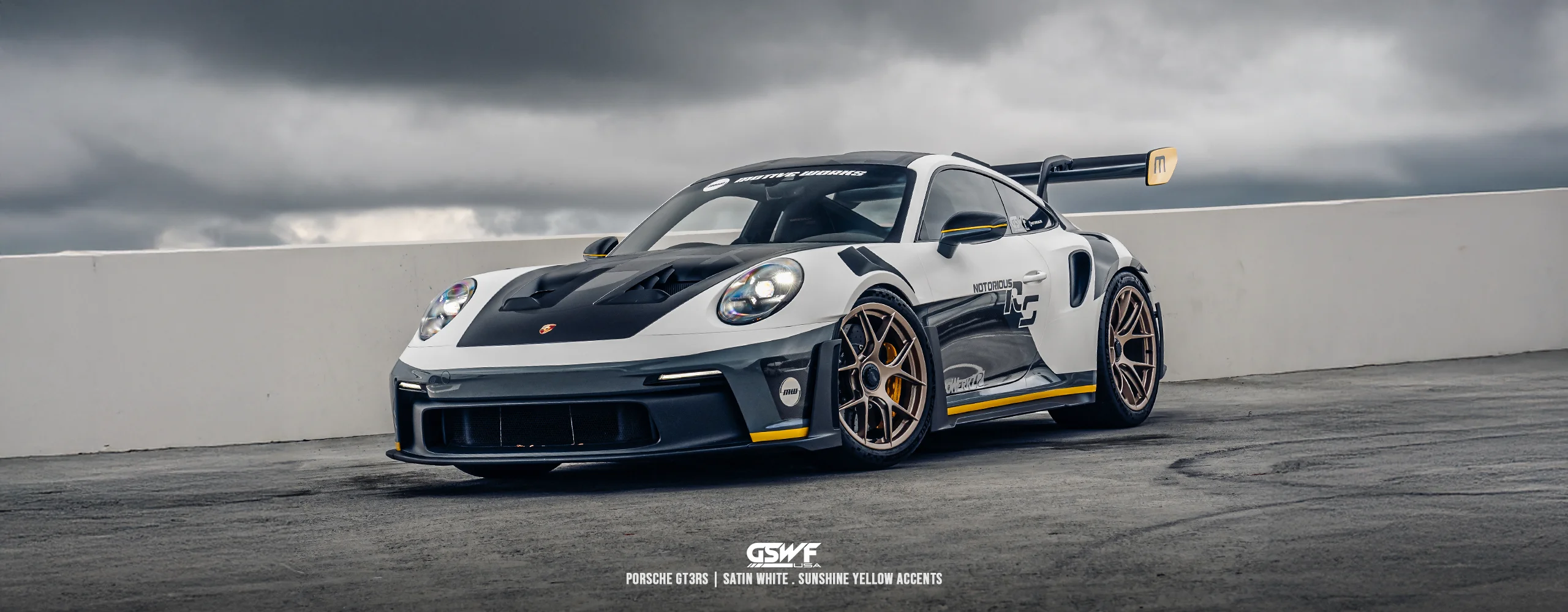
Full Body PPF vs Partial PPF: Which Coverage Option Is Right for Your Car?
Choosing paint protection film is only half the decision. The bigger question for most car owners is whether to go for complete coverage or protect only selected areas. This is where the comparison of Full Body PPF vs Partial PPF becomes important.
Both options have advantages. The right choice depends on driving habits, budget, and how long you plan to keep your car.
What Is Full Body PPF?
Full body PPF means applying paint protection film to all painted exterior panels of the car. This includes bumpers, hood, doors, fenders, roof, boot, and mirrors.
The goal is complete protection. Every painted surface is shielded from scratches, stone chips, swirl marks, and environmental damage.
Car owners who want maximum peace of mind usually choose this route.
What Is Partial PPF?
Partial PPF focuses only on high-impact and high-risk areas. These are panels that face the most damage during daily driving.
Common areas covered under partial PPF include:
- Front bumper
- Hood
- ORVMs
- Door edges
- Fender corners
Partial PPF is designed for budget-conscious buyers who still want effective protection.
Core Difference Between Full Body PPF and Partial PPF
The main difference between the two is coverage level.
Full coverage protects everything. Partial coverage protects only what matters most.
This difference affects cost, appearance consistency, and long-term maintenance.
Full Body PPF vs Partial PPF: Protection Levels
Complete coverage protects every painted surface. This means scratches from parking, cleaning, or road debris are minimized across the entire car.
Partial PPF protects only selected panels. Uncovered areas remain vulnerable to scratches and fading.
If protection is your top priority, full body PPF is the better option.
Cost Comparison in India
Cost is a major deciding factor.
Complete coverage costs more because of:
- Larger film usage
- Higher installation time
- Skilled labor requirements
Partial PPF is more affordable. It allows protection at a lower upfront cost.
However, repainting uncovered panels later can increase long-term expenses.
For real numbers on both options, see our full price breakdown for Indian cars.
Appearance and Finish Differences
Full coverage maintains a uniform gloss or matte finish across the car. There are no visible transitions between protected and unprotected panels.
Partial PPF may show slight edges over time. This is more noticeable on darker colors.
Car owners focused on aesthetics often prefer full body PPF.
Maintenance and Cleaning
Complete coverage makes maintenance easier. Dirt and stains clean evenly across the car.
Partial PPF requires careful cleaning. Protected and unprotected panels may age differently.
Paint protection film works best when paired with good maintenance habits.
Which Cars Are Best Suited for Full Body PPF?
Complete coverage is ideal for:
- New cars
- Luxury and premium vehicles
- Electric vehicles
- Cars kept for long-term ownership
EV owners often choose full body coverage due to high panel replacement costs. A detailed paint protection film guide explains why this approach offers better long-term value.
When Does Partial PPF Make More Sense?
Partial PPF works well when:
- Budget is limited
- Car is used mainly in city traffic
- Owner wants protection only on high-impact zones
- Vehicle is not intended for long-term ownership
Partial PPF still offers strong protection when applied strategically.
Best Areas to Apply Partial PPF
Choosing the right panels is critical for partial coverage.
High-impact areas include:
- Front bumper
- Hood
- Mirrors
- Door edges
Understanding the best areas to apply paint protection film helps maximize protection without overspending.
Lifespan Difference Between Full and Partial PPF
The lifespan of paint protection film depends on quality and usage.
Fully covered cars age uniformly. Partial coverage may show differences between protected and unprotected panels.
To set realistic expectations, car owners should understand how long paint protection film lasts.
Does Partial PPF Increase the Risk of Yellowing?
Yellowing is more visible when only certain panels are protected.
If low-quality film is used, edges and contrast lines become noticeable over time.
Learning why paint protection film turns yellow and how to prevent it helps avoid this issue.
Installation Complexity Comparison
Full body PPF installation takes longer and requires higher skill. Installers must align panels carefully and manage film stretching.
Partial PPF installation is quicker but still requires precision.
Poor installation leads to lifting and peeling in both cases.
Avoiding common paint protection film mistakes ensures better results.
Full Body PPF vs Partial PPF for Indian Roads
Indian roads expose vehicles to dust, stones, heat, and pollution. These conditions favor stronger protection.
For daily highway users and long-term owners, full body PPF offers peace of mind. For city drivers on a budget, partial PPF remains a smart choice.
Local climate also matters. Drivers in traffic-heavy, polluted cities often explore protection options in Bangalore, while heat-prone regions drive demand for film in Ahmedabad.
How to Decide Between Full Body PPF and Partial PPF
Ask yourself:
- How long will I keep the car?
- Do I drive on highways often?
- Is appearance consistency important?
- What is my budget?
Answering these questions makes the decision much easier.
Conclusion
Choosing between Full Body PPF vs Partial PPF depends on protection needs, budget, and ownership plans. Full coverage offers complete protection and a uniform appearance. Partial coverage provides targeted protection at a lower cost. Both options work well when high-quality film and professional installation are used. Understanding your driving habits helps you choose the right coverage with confidence.