
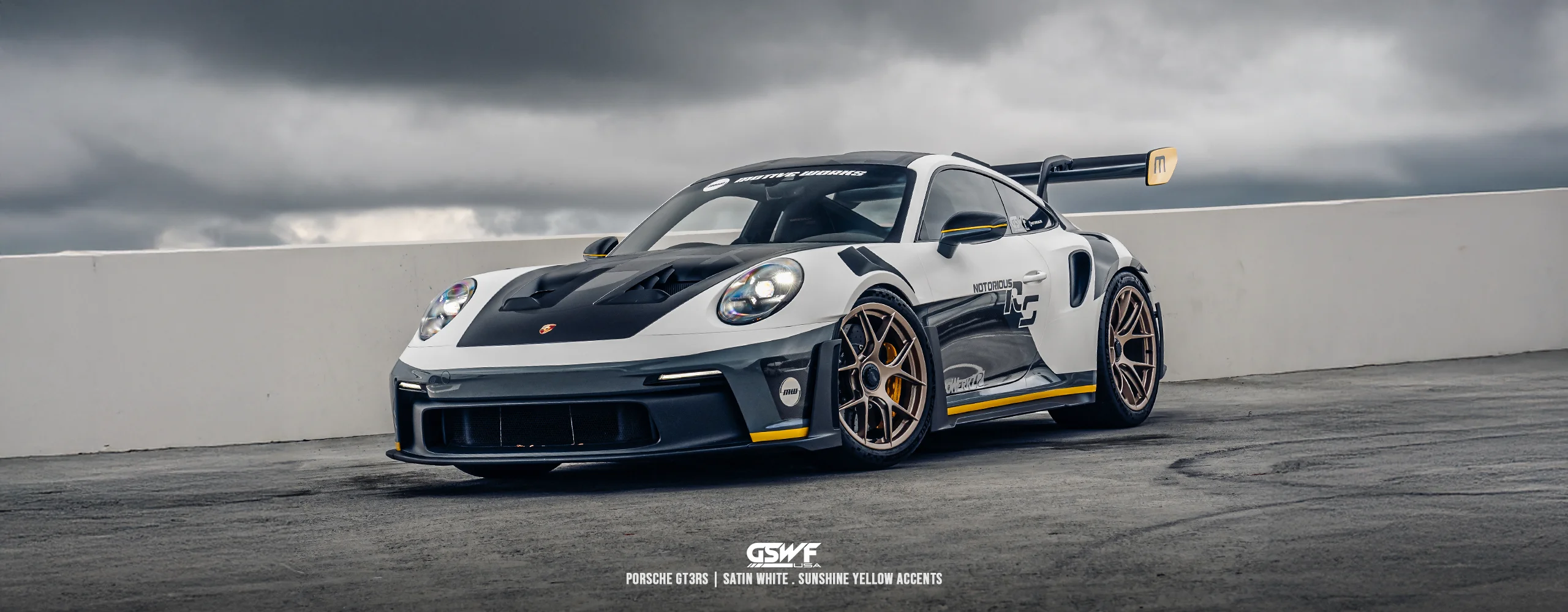
Car PPF Cost in India 2026 | Full Price Guide by Car Type
Ask three studios what your car PPF cost will be, and you’ll usually get three very different answers. In fact, two workshops in the same city can quote ₹55,000 and ₹1,40,000 for the same sedan — and neither of them is necessarily lying to you. Paint protection film is one of the few upgrades that genuinely pays you back, but only if you know what you’re actually being charged for.
This guide breaks down what protective film actually costs in India in 2026 — by car, by coverage, by film grade and by city — so you walk into a studio knowing roughly what the number should be. If you’re new to the whole subject, start with our complete guide to protective film for Indian cars and come back here for the pricing.
Car PPF Cost in India at a Glance (2026)
Quick answer: Car PPF cost in India runs from about ₹28,000 for a front-end kit to ₹2,60,000 for full-body coverage on a luxury SUV. Most everyday cars, though, land between ₹65,000 and ₹1,50,000 for full-body protection. Priced by area, good TPU film typically works out to roughly ₹320–₹950 per square foot, installed.
Generally, three things decide where your quote lands: how big the car is, how much of it you cover, and which grade of film you pick. Everything else — city, studio, add-ons — moves the number by 10–20% either way.
| What you’re buying | Typical 2026 price | Who it suits |
|---|---|---|
| Front-end kit (bonnet, bumper, mirrors, fenders) | ₹28,000 – ₹55,000 | Daily drivers, especially highway commuters |
| Full body — hatchback | ₹65,000 – ₹90,000 | Swift, Baleno, i20, Altroz owners |
| Full body — sedan | ₹80,000 – ₹1,20,000 | City, Verna, Slavia, Virtus |
| Full body — SUV | ₹1,00,000 – ₹1,50,000 | Creta, Seltos, XUV700, Harrier |
| Full body — luxury / large SUV | ₹1,60,000 – ₹2,60,000 | Fortuner, Defender, BMW, Mercedes |
| Headlight & taillight film (add-on) | ₹6,000 – ₹18,000 | Anyone, especially on partial coverage |
Prices shown are installed rates at certified studios, so they include film, labour and warranty registration. GST at 18% is usually charged on top unless the studio quotes an all-in figure.
Why Car PPF Cost Varies So Much in India
First, the single biggest reason for wild quote-to-quote variation is that “PPF” is not one product. Rather, it’s a category spanning cheap 150-micron PVC sheets that yellow within a year and 250-micron self-healing TPU film carrying a lifetime warranty. Those two things cost three times apart and both get called the same name on a quotation.
The second reason is that most Indian studios quote a lump sum rather than an itemised rate. So without a square-foot figure and a film brand on paper, you have no way of comparing two numbers. The rest of this guide gives you both, so you can.
The third is geography. Labour and studio rent in Mumbai run well above Coimbatore, and that difference lands in your bill even though the film costs the same everywhere. Together, then, those three factors explain almost the entire spread in car PPF cost across India.
Average Car PPF Cost in India (2026 Overview)
In practice, car PPF cost depends on three things: car size, film type and installer expertise. So here’s the average across the main finishes:
| Car type | Clear PPF (gloss) | Stealth PPF (matte) | Colour-infused PPF | Taillight PPF (add-on) |
|---|---|---|---|---|
| Hatchback | ₹65,000 – ₹90,000 | ₹85,000 – ₹1,10,000 | ₹1,00,000+ | ₹6,000 – ₹12,000 |
| Sedan | ₹80,000 – ₹1,20,000 | ₹1,00,000 – ₹1,40,000 | ₹1,20,000+ | ₹8,000 – ₹15,000 |
| SUV | ₹1,00,000 – ₹1,50,000 | ₹1,20,000 – ₹1,70,000 | ₹1,40,000+ | ₹10,000 – ₹18,000 |
💡 Pro tip: always choose TPU-based film rather than PVC. TPU (thermoplastic polyurethane — the flexible, self-repairing material good film is made from) lasts longer, resists yellowing and, importantly, carries a real warranty. PVC film, by contrast, is rigid, cracks at panel edges and discolours fast in Indian heat.
Car PPF Cost Per Square Foot: How Studios Actually Price It
Behind every “full body” quote, then, is a simple sum: film area × rate per square foot + labour. So knowing the rate is the fastest way to tell a fair quote from a padded one.
Typically, an Indian car needs this much film for full coverage:
- Hatchback — 170 to 200 sq ft
- Sedan — 200 to 235 sq ft
- Compact SUV — 230 to 265 sq ft
- Full-size SUV — 270 to 320 sq ft
2026 rates by film grade
Meanwhile, here’s what the market charges per square foot in 2026:
| Film grade | Rate per sq ft (installed) | Thickness | Typical warranty |
|---|---|---|---|
| Entry TPH / hybrid film | ₹200 – ₹300 | 150 microns (6 mil) | 1 – 3 years |
| Standard TPU gloss | ₹320 – ₹430 | 190 microns (7.5 mil) | 5 years |
| Premium self-healing TPU | ₹430 – ₹600 | 200 microns (8 mil) | 7 – 10 years |
| Matte / stealth TPU | ₹500 – ₹700 | 190 – 200 microns | 7 – 10 years |
| Colour-infused TPU | ₹650 – ₹900 | 200 microns | 7 – 10 years |
| Flagship / lifetime-warranty film | ₹700 – ₹950 | 250 microns (10 mil) | 10 years – lifetime |
Of course, at the very top of the market — imported flagship film on a supercar, hand-cut — rates reach ₹1,400 per square foot. That is a genuine price, but it is not the price most owners should be quoted.
How to check a quote in thirty seconds
Do the maths yourself. For example, a Creta needs roughly 250 sq ft. So at ₹480/sq ft for premium self-healing film, that’s ₹1,20,000 — right in the middle of the SUV band above. If a studio quotes ₹1,90,000 for the same film, ask what the per-square-foot rate is. The answer usually ends the conversation quickly.
One caution on the cheapest tier: films under ₹300/sq ft are almost always TPH or PVC rather than true TPU. They cost half as much and yellow in 12–18 months of Indian summers, which means you pay twice — the cheapest car PPF cost on day one is rarely the cheapest over five years. In fact, our guide on why films go yellow and how to stop it explains exactly what goes wrong.
PPF Prices for Popular Indian Cars: Swift to Fortuner
Two cars in the same “SUV” bracket can differ by ₹30,000 simply because one has more panels, sharper body creases or a bigger bonnet. Here’s what owners are actually paying for premium self-healing TPU film in 2026:
| Car | Full body | Front-end kit only | Approx. film needed |
|---|---|---|---|
| Maruti Swift / Baleno | ₹70,000 – ₹95,000 | ₹28,000 – ₹38,000 | ~175 sq ft |
| Tata Punch / Nexon | ₹78,000 – ₹1,05,000 | ₹30,000 – ₹42,000 | ~195 sq ft |
| Hyundai i20 / Venue | ₹75,000 – ₹1,00,000 | ₹29,000 – ₹40,000 | ~185 sq ft |
| Honda City / Hyundai Verna | ₹88,000 – ₹1,20,000 | ₹34,000 – ₹46,000 | ~215 sq ft |
| Hyundai Creta / Kia Seltos | ₹1,05,000 – ₹1,40,000 | ₹38,000 – ₹52,000 | ~250 sq ft |
| Mahindra Thar / Scorpio N | ₹1,15,000 – ₹1,55,000 | ₹40,000 – ₹55,000 | ~265 sq ft |
| Mahindra XUV700 / Tata Harrier | ₹1,20,000 – ₹1,60,000 | ₹42,000 – ₹58,000 | ~275 sq ft |
| Toyota Fortuner / Innova Hycross | ₹1,45,000 – ₹1,90,000 | ₹48,000 – ₹65,000 | ~300 sq ft |
| BMW 3 Series / Mercedes C-Class | ₹1,60,000 – ₹2,10,000 | ₹55,000 – ₹75,000 | ~240 sq ft |
| Land Rover Defender / BMW X5 | ₹2,00,000 – ₹2,60,000 | ₹65,000 – ₹90,000 | ~310 sq ft |
Notice that the BMW 3 Series costs more than a Fortuner, even though it needs less film. That’s deliberate: German paint is softer, panel gaps are tighter, and most studios add a specialist labour premium of ₹15,000–₹25,000 for luxury bodywork because a single misaligned edge is very visible.
Car PPF Cost by City Across India
Film costs the same everywhere, yet labour and rent don’t. A studio in South Delhi pays several times the rent of one in Coimbatore, so that shows up in your invoice. Overall, expect a spread of about 25% between the priciest and cheapest metros for identical work.
| City | Full-body sedan (premium TPU) | What drives the local price |
|---|---|---|
| Delhi NCR | ₹95,000 – ₹1,30,000 | Highest studio density, but also high rent, while dust and winter smog make film popular |
| Mumbai | ₹1,00,000 – ₹1,35,000 | Costliest labour in India, so monsoon salt-air demand keeps studios busy |
| Bengaluru | ₹92,000 – ₹1,25,000 | Big enthusiast market, yet strong competition keeps rates honest |
| Hyderabad | ₹88,000 – ₹1,20,000 | Fast-growing luxury segment, so pricing stays competitive |
| Chennai | ₹88,000 – ₹1,18,000 | Coastal humidity, so demand for UV-stable film runs high |
| Pune & Ahmedabad | ₹85,000 – ₹1,15,000 | Strong studio networks, although overheads sit below the top metros |
| Kochi, Jaipur, Coimbatore, Surat | ₹80,000 – ₹1,10,000 | Lower rent, although fewer certified installers, so check credentials carefully |
A word of warning on tier-2 cities: the cheaper quote is often genuine, but it’s also where uncertified applicators are most common. A ₹15,000 saving is no bargain if the film lifts at the edges within a year. Ask to see the installer’s certification and the film’s warranty card before you pay a deposit.
👉 Want an exact figure for your car? Find a GSWF-certified studio near you, then ask for a written, itemised quote — film grade, square footage, warranty term and GST, all listed separately.
What Drives Car PPF Cost Up or Down
Protective film pricing isn’t one-size-fits-all. Ultimately, five variables account for almost the entire spread between quotes.
Film type and finish
This is the biggest single differentiator. Clear gloss film is the baseline, since it gives invisible protection that keeps your factory colour exactly as it is. Stealth matte, meanwhile, turns any gloss paint satin. Colour-infused film changes the car’s colour while protecting it. Finally, headlight and taillight film adds a smoked or tinted finish to the lenses. Each step up adds both material cost and installation difficulty.
Car size and surface area
Naturally, larger vehicles need more material and more hours on the bench. An SUV typically costs 25–40% more than a hatchback for the same film, and a three-row SUV like the Fortuner needs nearly twice the square footage of a Swift.
Film thickness and quality
In addition, thickness matters. Film comes in 6 mil (150 micron), 7.5 mil (190 micron), 8 mil (200 micron) and 10 mil (250 micron). Thicker film absorbs more impact energy before the paint underneath feels it — which is why the 200-micron grade has become the standard recommendation for Indian roads. So higher mil means better protection and, equally, a higher rate per square foot.
Installation expertise
Certified installers work from pre-cut digital patterns, wrap edges rather than trimming on the paint, and pressure-set every seam. That, in short, is what produces a finish with no bubbles, no lifted corners and no visible edge. Certainly it costs more per hour, yet it is worth every rupee, because a poor installation stays visible for as long as the film is on the car.
Warranty and after-sales support
Typically, premium brands including GSWF offer 7–10 year warranties with registered claims and annual inspections. Cheap unbranded film, on the other hand, often fails within a year and has nobody standing behind it. When you compare two quotes, compare the warranty terms in the same breath — a five-year gap in coverage is worth far more than a ₹20,000 difference in price.
What Matte, Stealth & Colour Options Add to Car PPF Cost
Clear gloss is the baseline. Every other finish carries a premium, partly because the material costs more and partly because it’s far less forgiving to install — a stealth finish shows every stretch mark and misaligned seam that gloss would hide.
| Finish | Premium over clear gloss | Full-body sedan | Worth knowing |
|---|---|---|---|
| Clear gloss | Baseline | ₹88,000 – ₹1,20,000 | Invisible, so your factory colour stays exactly as it is |
| Matte / stealth | +15% to 25% | ₹1,05,000 – ₹1,45,000 | Turns any gloss paint satin, although it needs matte-safe washing products |
| Colour-infused | +35% to 55% | ₹1,25,000 – ₹1,80,000 | Changes the car’s colour and protects it, yet stays fully reversible |
| Headlight / taillight tint film | Add-on | ₹8,000 – ₹15,000 | Smoked look, and also stone-chip protection for the lenses |
Colour-infused film, in particular, is the interesting one financially. After all, a professional respray on a sedan runs ₹1,80,000–₹2,50,000, permanently changes your registration details and knocks value off at resale. Colour film costs less, protects the paint underneath, and peels off when you sell. Similarly, for a fuller breakdown of finish-by-finish rates, see our clear, colour and stealth pricing guide.
Hidden Costs That Push Up Your Final Car PPF Cost
In reality, the quote on the phone and the bill at the counter are often two different numbers. These are the line items that appear later:
- Paint correction — ₹6,000 to ₹18,000. Because film magnifies whatever is under it, any car older than about a year usually needs a machine polish first, and a good studio will insist on it. If yours doesn’t mention it at all, that’s a red flag.
- GST at 18% — ₹15,000 to ₹28,000 on a typical job. Many quotes are stated pre-tax. Always ask “is that inclusive?” before comparing two studios.
- Removing old film — ₹8,000 to ₹20,000. If you’re replacing existing film or a wrap, budget for stripping and adhesive cleanup.
- Custom-cut panels — ₹3,000 to ₹10,000. Pre-cut patterns simply don’t exist for every variant. So hand-cutting a spoiler, roof rail or aftermarket body kit takes extra time.
- Ceramic top coat — ₹8,000 to ₹20,000. Optional, but it makes the film easier to wash and holds off water spotting through the monsoon.
- Annual inspection — usually free at certified studios. Some warranties require it. Still, skipping it can void your claim, which is the most expensive “free” thing on this list.
Altogether, a ₹1,10,000 headline quote can realistically become ₹1,40,000 out the door. That’s not a scam, though — it’s a normal, complete job. It only becomes a problem when nobody tells you in advance.
How GSWF Film Compares With Other Brands in India
Brand pricing tends to cluster, and the meaningful differences show up in warranty length and film chemistry rather than in the headline number. So here’s the landscape for a full-body sedan:
| Brand | Approx. cost (sedan) | Warranty | Film type | Notable feature |
|---|---|---|---|---|
| GSWF India | ₹1,00,000 – ₹1,40,000 | Up to 10 years | TPU | Self-healing and UV-resistant, since it’s built for Indian heat |
| XPEL | ₹1,20,000 – ₹1,55,000 | 10 years | TPU | Premium global brand, so the dealer network is strong |
| 3M | ₹1,10,000 – ₹1,50,000 | 5 years | TPU | Widely available, although the warranty is shorter |
| SunTek | ₹95,000 – ₹1,30,000 | 7 years | TPU | Good stain resistance, especially against tree sap |
| Llumar | ₹90,000 – ₹1,30,000 | 5 – 7 years | TPU | Good optical clarity, though warranty terms vary |
| Garware (Indian) | ₹65,000 – ₹95,000 | 5 years | TPU | Domestic manufacturing, so pricing stays competitive |
| Local / unbranded imports | ₹45,000 – ₹70,000 | 1 – 2 years | PVC / TPH | Usually prone to yellowing and edge lifting |
Notice, first, how little separates the top six on price. Brand alone rarely swings car PPF cost by more than 20–25%; warranty length and film chemistry are where the real difference sits. Instead, the gap that matters is between those six and the last row. Everything above it is real TPU with a claimable warranty, whereas the bottom row is a short-term cosmetic fix. If you want a deeper look at which names actually deliver, read our comparison of which brands are worth the money in India.
Is Paint Protection Film Worth the Money?
For most owners, yes — but the maths depends on how you drive. Here is where the money actually comes back:
| Scenario | Without film | With GSWF film |
|---|---|---|
| Minor scratch repair | ₹5,000 – ₹10,000 each time | No cost, since light marks self-heal |
| Repainting panels | ₹15,000 – ₹30,000 per panel | Not needed |
| Paint fading from UV exposure | Usually frequent polishing | Largely prevented |
| Resale value | 10 – 20% lower | 10 – 15% higher |
The honest counter-argument: if your car lives in a basement parking spot and does 4,000 km a year of city driving, full-body coverage is more protection than you need. Instead, a front-end kit at ₹35,000 would serve you better and leave money in your pocket. Matching the coverage to how you actually drive is the single easiest way to bring your car PPF cost down without compromising anything.
Working Out Your Car PPF Cost Per Year
A one-time ₹1,20,000 feels enormous. Spread across the film’s working life, it usually costs less than a year of servicing.
| Film grade | Upfront (sedan, full body) | Realistic life in India | Cost per year |
|---|---|---|---|
| Cheap TPH / PVC film | ₹45,000 | Usually 1 – 2 years before yellowing | ₹22,500 – ₹45,000 |
| Standard TPU gloss | ₹90,000 | 5 years | ₹18,000 |
| Premium self-healing TPU | ₹1,20,000 | 8 – 10 years | ₹12,000 – ₹15,000 |
| Flagship 250-micron film | ₹1,70,000 | 10+ years | ₹17,000 |
Surprisingly, then, the cheapest film is the most expensive way to protect a car. Because you repeat that ₹45,000 every eighteen months, by year five you’ll have spent more than the premium film cost once — and you’ll have lived with a yellowing bonnet for most of it. Indeed, our breakdown of how many years good film really lasts goes into the testing behind those numbers.
Set against that, meanwhile, a single bumper respray after a highway stone strike runs ₹18,000–₹35,000, and Indian resale data consistently shows original, unrepainted paint fetching 10–15% more at trade-in.
Car PPF Cost vs Ceramic Coating: Which Costs More Long-Term?
Almost everyone comparing quotes asks this. Because they protect against different things, the honest answer isn’t “one is better” — it’s “they cost differently because they do different jobs.”
| Paint protection film | Ceramic coating | |
|---|---|---|
| Upfront (sedan) | ₹88,000 – ₹1,20,000 | ₹12,000 – ₹35,000 |
| Lasts | 5 – 10 years | 2 – 5 years |
| Cost per year | ₹12,000 – ₹18,000 | ₹6,000 – ₹12,000 |
| Stops stone chips | Yes, because it’s 190 microns of physical cushion | No, since it’s only a few microns thick |
| Stops swirls from washing | Yes, and it also heals light marks with heat | Reduces them |
| Water beading & easy washing | Good | Excellent |
| Best for | Highway driving, potholed roads and gravel, especially on new cars | Gloss and easy cleaning, especially for city-only use |
Overall, the sensible middle path for most Indian owners on a budget is simple: film on the front end (₹35,000–₹50,000) plus ceramic coating on the rest (₹12,000–₹20,000). That’s roughly ₹55,000 all-in, and it therefore puts the physical protection exactly where the stone chips land — the bonnet, bumper and mirrors — while the rest of the car gets gloss and easy washing.
Full or Partial Coverage — Which Should You Choose?
Coverage is the lever with the biggest effect on your final bill. Unsurprisingly, it’s also the one most owners get wrong, in both directions.
| Coverage option | Includes | Average cost (sedan) |
|---|---|---|
| Full body | Every painted panel, including the roof | ₹1,00,000 – ₹1,40,000 |
| Front kit | Bumper, bonnet, mirrors, fenders | ₹35,000 – ₹50,000 |
| High-impact areas | Door edges, handles, rocker panels, boot lip | ₹20,000 – ₹30,000 |
Roughly 80% of stone-chip damage on Indian highways lands on the front third of the car, which is why the front kit is the best-value option by a distance. Still, go full body if you drive long distances often, park on the street, or own a premium car where resale value justifies the spend. Our guide to full-body versus front-only coverage walks through the decision in detail.
Bike PPF Pricing: Tank Kits to Full Fairings
Two-wheeler owners search for this constantly. Fortunately, the pricing logic is the same — area times rate — although there’s far less surface to cover.
| Coverage | Gloss film | Matte film |
|---|---|---|
| Fuel tank only | ₹4,500 – ₹7,500 | ₹5,500 – ₹9,000 |
| Tank + side panels (Classic 350, Hunter 350) | ₹9,000 – ₹15,000 | ₹11,000 – ₹18,000 |
| Full naked bike (Duke, Dominar, Interceptor) | ₹15,000 – ₹26,000 | ₹18,000 – ₹30,000 |
| Full-faired sportbike (RR 310, Ninja, superbikes) | ₹30,000 – ₹60,000 | ₹35,000 – ₹68,000 |
Bikes are fiddlier than cars per square foot — lots of curves, badges and tight tank recesses — so labour is a bigger slice of the bill. Moreover, the tank is where the damage actually happens. Belt buckles, jacket zips and knee-grip wear all attack the same panel, which is why a ₹6,000 tank kit is the single best-value job in detailing.
Common Mistakes When Buying Cheap Film
In our experience, almost every disappointed customer made one of these four decisions:
- Choosing PVC-based film to save money. It yellows within a year in Indian sun and cracks at panel edges. So you’ll pay for removal and reinstallation before the third summer.
- Ignoring installation expertise. An untrained applicator leaves lifted edges, trapped dust and visible seams. The film may be excellent, yet the result won’t be.
- Accepting no warranty or brand backing. If there’s no registered warranty card with a serial number, then there is nobody to claim from when something fails.
- Believing all protective film is the same. It isn’t. A 150-micron TPH sheet and a 200-micron self-healing TPU film behave nothing alike, and the gap usually shows within months.
⚠️ Therefore, get your film installed by certified professionals. That’s the difference between a warranty you can claim and a warranty on paper. Our list of ten costly mistakes buyers make covers the rest.
Where to Get Film Installed Across India
GSWF works with a growing network of certified installers across major Indian cities. Typically, certified studios use pre-cut digital patterns, dust-controlled bays and calibrated tools — the three things that separate a clean install from a visible one.
Before you book, ask for four things in writing: the film brand and micron thickness, the total square footage being covered, the warranty term and what voids it, and finally whether the price includes GST. Certainly, any studio worth using will hand that over without hesitating.
🗺️ Search the GSWF installer network to find a certified studio in your city.
Questions Car Owners Ask About Pricing
How much does full car PPF cost in India?
Between ₹65,000 and ₹2,60,000 depending on the car and the film. A hatchback with standard TPU film sits around ₹65,000–₹90,000; a Creta-sized SUV with premium self-healing film sits around ₹1,05,000–₹1,40,000; a luxury SUV with flagship film can cross ₹2,50,000. Add 18% GST unless the quote says inclusive.
Is car PPF cost worth it, or is ceramic coating enough?
If your car sees highways, gravel or construction roads, film earns its money — it’s the only option that physically stops a stone chip. If the car mostly does short city runs and you want gloss and easy washing, ceramic coating at ₹12,000–₹35,000 does the job for far less. Many owners do both: film on the front, coating everywhere else.
How much does 3M PPF cost for a car in India?
3M’s film typically quotes at ₹1,10,000–₹1,50,000 for a full-body sedan with a 5-year warranty. Premium TPU films from GSWF, XPEL and SunTek sit in a similar band but usually carry 7–10 year warranties, so compare the warranty term alongside the price rather than the price alone.
Can PPF really last 10 years?
Genuine 190–200 micron TPU film with a 10-year warranty will, provided it’s installed properly and washed sensibly. What doesn’t last is cheap TPH and PVC film, which starts yellowing at the bonnet edge within 12–18 months in Indian summers. Life expectancy is a film-quality question far more than a climate question.
Why is car PPF cost so different between two studios?
Usually the film grade, and it’s often not stated. A ₹55,000 quote and a ₹1,20,000 quote for the same sedan are rarely the same product. Ask three questions: what’s the film brand and thickness in microns, what’s the warranty term in writing, and is that price before or after GST. The gap normally explains itself.
What are the disadvantages of paint protection film?
It’s expensive upfront, it takes 2–4 days at the studio, and a bad installation leaves visible edges, lifted corners or trapped dust that looks worse than bare paint. Cheap film also yellows. None of these are problems with the technology — they’re problems with buying on price alone.
Does PPF increase resale value?
Indirectly, and meaningfully. Buyers and dealers in India pay a premium for original, unrepainted paint, and cars that have kept theirs typically trade 10–15% higher. The film itself isn’t valued at resale; the pristine paint underneath it is.
How long does installation take and can I drive immediately?
A front-end kit takes 6–10 hours; full body takes 2–4 days including paint correction. You can drive away the same day, but leave the car dry for 48 hours and skip washing for 7 days while the adhesive fully cures. Avoid pressure-washing the edges for the first two weeks.
Smart Protection at the Right Price
The upfront number is large, but it’s the wrong number to judge this by. Instead, what matters is the cost per year, the warranty behind it, and whether the studio applying it knows what it’s doing. After all, a ₹1,20,000 film with a 10-year warranty, correctly installed, costs less annually than the ₹45,000 film you’d replace three times over the same period.
Get an itemised quote, check the micron thickness, confirm the warranty in writing, and pick a certified installer. Do those four things and the car PPF cost you pay will be a fair price for protection that actually lasts.
Ready for a real number? Ranges only get you so far — your car, your city and your film choice decide the final figure. Find a GSWF-certified studio near you for an itemised quote, or see the GSWF film range to compare warranties before you walk in.