
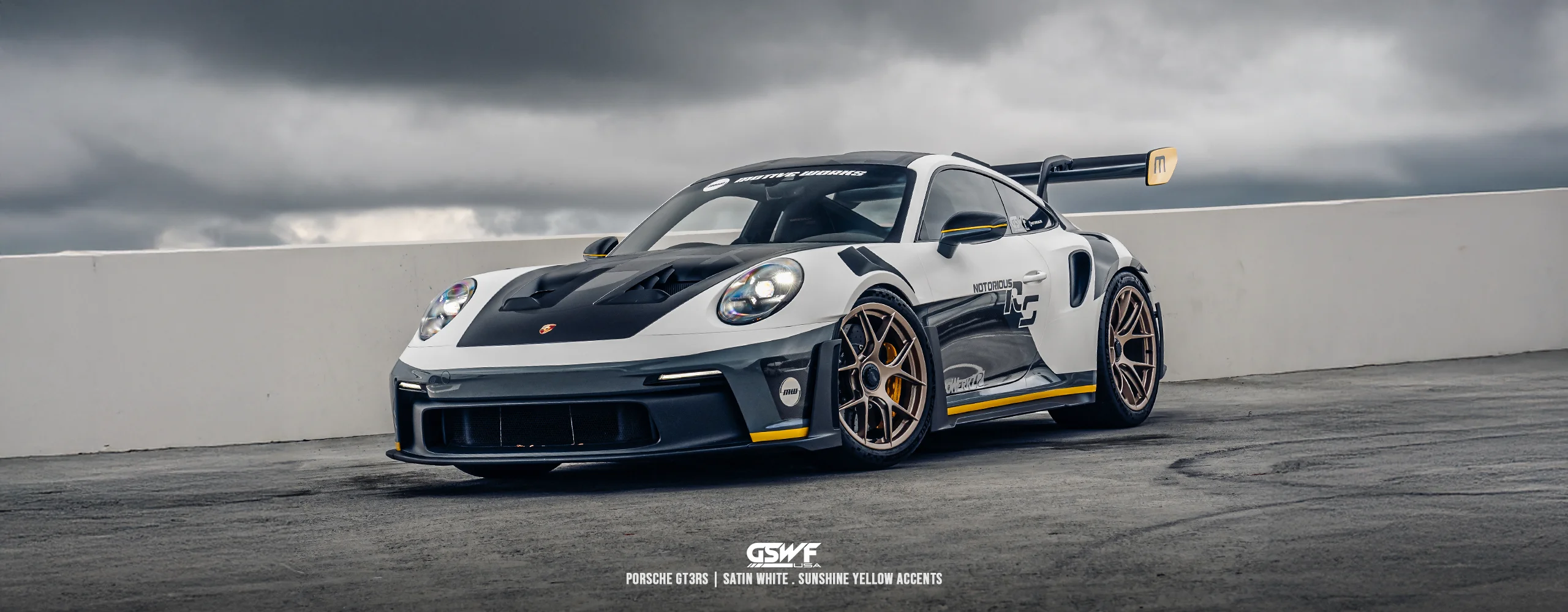
Paint Protection Film Guide India 2026 | Everything You Need to Know
If you have just brought home a new car — or you are protecting one you love — you have probably heard about paint protection film. It is the clear, tough layer that detailing studios apply over your car’s paint to save it from stone chips, scratches, and the daily beating of Indian roads. But between the jargon, the wildly different prices, and every studio claiming theirs is “the best”, it is hard to know what is actually worth your money.
This guide fixes that. It is the complete, no-nonsense explanation of paint protection film for Indian car owners in 2026 — what it is, how it works, what it really costs in ₹, and how to choose a film and an installer you can trust. No sales pressure, just straight answers from people who work with these films every day.
What Is Paint Protection Film?
Paint protection film — often shortened to PPF, and sometimes called a “clear bra” — is a thin, transparent, self-healing layer that is applied directly over your car’s factory paint. Think of it as an invisible, ultra-tough phone screen guard, but for your entire car body.
The film is made from TPU (thermoplastic polyurethane) — a flexible, rubber-like plastic that is both stretchy and incredibly strong. That combination is the whole point: it can wrap tightly around curved bumpers and mirrors, yet still absorb the impact of a flying stone before it ever reaches your paint. Cheaper films use TPH (a lower-grade material that yellows faster) or basic PVC vinyl; a genuine protective film is always TPU.
A quality film is usually 7.5 to 8.5 mil thick (about 190–215 microns — roughly twice the thickness of a human hair layered a few times over). That thickness is what lets it take a hit. A liquid ceramic coating, by comparison, is measured in single microns — it adds gloss and water-repellency, but it cannot physically stop a rock chip.
In one line: It is a clear TPU layer that takes the damage so your paint doesn’t — the only car protection that gives a real, physical shield against chips and scratches.
Curious about how the raw film is actually manufactured, layer by layer? We break it down in our guide on how the film is manufactured.
How PPF Works on Your Car
A good film is not just one flat sheet — it is built in layers, each doing a specific job:
- Top clear coat (self-healing layer): An “elastomeric” surface that heals light swirl marks and fine scratches on its own. When the car sits in the sun or you pour warm water over it, the layer relaxes back to smooth and the scratch disappears. More on this in our explainer on self-healing films.
- TPU core: The thick, elastic middle that absorbs impact from gravel, road debris, and shopping-trolley knocks.
- Adhesive layer: A clear, acrylic glue that bonds the film to your paint but can be peeled off cleanly later without damage.
- Release liner: A backing sheet the installer removes just before applying the film.
Once installed correctly, the film becomes almost invisible. Water beads and rolls off the surface (installers call this being “hydrophobic” — simply, it repels water), which means less dirt sticks and washing gets easier. Because the top layer heals itself, your car keeps that showroom shine far longer than bare paint would.
Types of PPF: Clear, Matte & Coloured
Not all film is the same. Here are the main finishes you will be offered in India, and who each one suits:
| Finish | What it does | Best for |
|---|---|---|
| Clear / Gloss | Invisible protection that keeps your original paint colour and shine | Most car owners — the default choice |
| Matte / Stealth | Turns any glossy paint into a modern satin-matte finish, while protecting it | Owners who want a unique, premium look |
| Coloured / Infused | Adds a new colour (or a subtle tint) plus full protection in one layer | Colour changes without a full respray |
| Black / Smoked (trim & lights) | Protects and darkens headlights, tail-lights, and trim | Accent styling on specific panels |
Whatever the finish, insist on a TPU film with a self-healing top coat and a written warranty. That single spec separates a film that lasts years from one that yellows and peels within months.
Key Benefits of PPF in Indian Conditions
India is genuinely one of the toughest places in the world to keep a car’s paint looking new. Here is exactly how the film earns its keep here:
- Stone chips & potholes: Broken road edges and loose gravel throw stones at your bumper and bonnet constantly. The TPU core absorbs these hits so your paint stays chip-free.
- Brutal heat & UV: In cities like Delhi, Jaipur, and Ahmedabad, summer surface temperatures can cross 60°C. A good film has UV inhibitors that slow paint fading and oxidation.
- Monsoon & acid rain: The first rains carry dust and mild acids that etch bare paint. The film’s water-repellent top layer stops water spots and etching.
- Dust & sand abrasion: Fine dust acts like sandpaper every time you wipe the car. The film takes those micro-scratches instead of your paint — and heals many of them itself.
- Bird droppings & tree sap: Highly acidic and a real problem under our sun. On film, they wipe off without staining the paint underneath.
- Better resale value: A car with factory paint in perfect condition — because it was protected from day one — commands a noticeably higher resale price.
The upshot: film does not just keep the car pretty. It preserves the original factory paint, which is the single biggest factor buyers check when you sell.
Paint Protection Film vs Ceramic Coating vs Vinyl Wrap
This is the question everyone asks, so here it is side by side. These are three different products that people often confuse:
| Protection Film | Ceramic Coating | Vinyl Wrap | |
|---|---|---|---|
| What it is | Thick TPU film (~200 microns) | Liquid glass coating (single microns) | Decorative PVC film |
| Stops stone chips? | ✅ Yes — physical shield | ❌ No | ❌ Minimal |
| Self-healing? | ✅ Yes | ❌ No | ❌ No |
| Gloss & water-repellency | ✅ Good | ✅ Excellent | Varies |
| Main job | Protection | Shine & easy cleaning | Looks / colour change |
| Typical lifespan | 5–10 years | 2–5 years | 3–5 years |
The honest summary: if you want real protection from damage, film wins. Ceramic coating is brilliant for gloss and keeping the car clean, but it will not stop a rock chip. Many owners actually use both — film on the high-impact panels, ceramic on top for shine. For the full breakdown, see our detailed comparison of PPF vs vinyl wrap, and if you are weighing film against ceramic specifically, that is worth a dedicated read too.
How Much Does Paint Protection Film Cost in India?
Cost is where most people get confused, because studios quote everything from ₹35,000 to ₹3,00,000. The price depends on three things: how much of the car you cover, the quality of the film, and the size of your car. Here is a realistic 2026 range for a genuine, warrantied TPU film:
| Coverage | Hatchback | Sedan | SUV / Luxury |
|---|---|---|---|
| Full body (every painted panel) | ₹1,10,000–1,60,000 | ₹1,40,000–2,20,000 | ₹1,80,000–3,00,000+ |
These are indicative ranges for genuine TPU film with a warranty. Anything dramatically cheaper is usually low-grade TPH or vinyl that will yellow. For a full breakdown by car model and film grade, see our detailed car PPF cost guide, and our coating price guide for clear, colour, and stealth options.
Why the big spread? A premium film with a 10-year warranty and true self-healing costs more than an entry-level one — but it also lasts twice as long, so the cost per year is often lower. Beware quotes that seem too good: cheap film is the most expensive mistake, because you pay again when it yellows and has to be stripped off.
Ready for a real number for your car? Skip the guesswork — get a personalised quote from a certified GSWF studio and see exactly what your model costs.
Full Body vs Partial Coverage: Which Should You Choose?
You do not have to wrap the whole car. The right amount of coverage depends on your budget and how you drive:
- Front kit (most popular): Protects the panels that take 90% of the damage — bonnet, front bumper, mirrors, and headlights. Best value for highway drivers.
- Half body: Adds the front doors, roof edge, and rear wheel arches — the next most exposed areas.
- Full body: Every painted panel. The complete solution for new, premium, and enthusiast cars where you want zero risk to the paint.
If you are torn, our guide on full body vs partial coverage walks through each option with pros and cons, and the best areas to protect first shows exactly which panels matter most if you are on a budget.
How Long Does Paint Protection Film Last?
A genuine, professionally installed film typically lasts 5 to 10 years, and premium films carry warranties of 8–10 years against yellowing, cracking, and peeling. Real-world lifespan depends on:
- Film quality — TPU lasts far longer than TPH or vinyl.
- Installation skill — a rushed or dusty install shortens life dramatically.
- Care & parking — a car parked in the sun all day ages faster than one that is garaged.
The most common failure people worry about is yellowing — and with a quality TPU film it is largely a solved problem. Cheap films still yellow, though. We explain exactly why films turn yellow and how to prevent it, and cover realistic lifespan expectations in how long the film lasts.
PPF for Different Cars
The film is the same; only the cost and coverage strategy change by vehicle:
- Hatchbacks (Swift, i20, Baleno): A front kit is usually the sweet spot — most damage happens on the nose of the car.
- Sedans (City, Verna, Virtus): Front kit or half body; the larger bonnet makes front protection especially worthwhile.
- SUVs (Creta, Thar, XUV700, Fortuner): Bigger panels and higher ground clearance mean more exposure to flying stones — front or full body pays off, especially for off-road-capable models like the Thar.
- Luxury & enthusiast cars: Full body is standard here. Repainting a premium car costs several times more than the film, and film keeps the factory paint original.
- Bikes: Tank, fairings, and fenders are commonly protected on premium motorcycles too.
New car owners get the most value by applying film before the first drive — the paint is flawless, so it locks in a perfect surface from day one.
Common PPF Mistakes to Avoid
Most bad experiences come down to a handful of avoidable errors:
- Chasing the cheapest quote — usually means low-grade film that yellows within a year.
- Ignoring the warranty — no written warranty means no accountability.
- Choosing a studio by price, not skill — the film is only as good as the person installing it. A dusty or rushed install traps bubbles and lifts at the edges.
- Skipping paint correction first — any swirl marks under the film get sealed in permanently.
- Confusing film with ceramic coating — they do different jobs; don’t let anyone sell you one as the other.
We list the full set — and how to spot each one — in our guide to 10 common installation mistakes to avoid.
How to Choose a Good Installer
The film matters, but the installer matters just as much. Here is a quick checklist before you book:
- ✅ They use genuine, branded TPU film and can show you the box and batch details.
- ✅ They offer a written, brand-backed warranty (not just a verbal promise).
- ✅ They work in a clean, dust-controlled bay — not an open driveway.
- ✅ They do proper paint correction and prep before applying the film.
- ✅ They have real, recent customer photos and reviews from your city.
If you want a shortcut, compare the top options first in our guide to the best PPF brands in India, and for the fundamentals in plain language, our PPF for cars guide is a great companion read.
Does Car Insurance Cover PPF?
Standard motor insurance does not automatically cover the film itself, but there is good news: because the film protects your factory paint, a well-protected car often means fewer paint claims and better condition at resale. Some insurers now offer add-on covers for premium protection; it is worth asking your provider. Keep your installation invoice and warranty card safe — you will need them for any warranty claim on the film.
Is Paint Protection Film Worth It in 2026?
For most Indian car owners, the honest answer is yes — if you buy quality and keep the car for a few years. Here is the simple maths: a single repaint of one panel can cost ₹8,000–20,000, and it never quite matches the factory finish. A front kit that prevents years of chips pays for itself the first time it saves your bonnet — and keeps your resale value high.
The film is not worth it if you buy the cheapest vinyl going, or if you are selling the car in a few months. But for a new car, a premium car, or any car you plan to keep and love, genuine paint protection film is one of the smartest first upgrades you can make.
Protect your car from day one.Find a certified GSWF studio near you and get genuine, warrantied film fitted by trained installers.
Frequently Asked Questions
Is paint protection film worth it?
Yes, for most owners who keep their car for a few years — it prevents stone chips and scratches that would otherwise cost thousands to repaint, and it keeps your factory paint (and resale value) intact. It is only “not worth it” if you buy cheap vinyl film or plan to sell the car very soon.
How much does paint protection film cost for a full car in India?
A genuine full-body TPU film ranges from about ₹1,10,000 for a hatchback to ₹3,00,000+ for a large SUV or luxury car in 2026. Front-kit coverage starts around ₹35,000. Price depends on car size, film quality, and coverage.
Which brand of PPF is best?
The best film is a genuine TPU film with a true self-healing top coat and a written 8–10 year warranty. Compare warranty, thickness, and yellowing resistance rather than just the name. See our guide to the best PPF brands in India for a full comparison.
Can PPF be removed easily?
Yes. A professional can peel off quality film cleanly using controlled heat, without damaging the paint underneath — as long as a genuine film was properly installed in the first place. Cheap films that have degraded are much harder to remove.
What is the disadvantage of PPF?
The main downside is upfront cost, and cheap films can yellow or peel. On some cars you may faintly see the film edges if the install is not tucked properly. Choosing a quality TPU film and a skilled installer avoids nearly all of these issues.
Can PPF last 10 years?
Yes — premium TPU films come with 8–10 year warranties and genuinely last that long when properly installed and cared for. Budget films last far less. Lifespan depends on film quality, install skill, and how the car is parked and maintained.
Related Guides
This is your master guide. Dive deeper into any topic below:
- PPF for Cars in India: The Ultimate Guide
- Car PPF Cost in India: Complete Price Guide
- Best PPF Brands in India Compared
- How the Film Is Made
- Self-Healing Films Explained
- How Long Does the Film Last?
- Full Body vs Partial Coverage
- Best Areas to Protect First
- PPF vs Vinyl Wrap
- Why Films Turn Yellow & How to Prevent It
- 10 Common Installation Mistakes to Avoid