
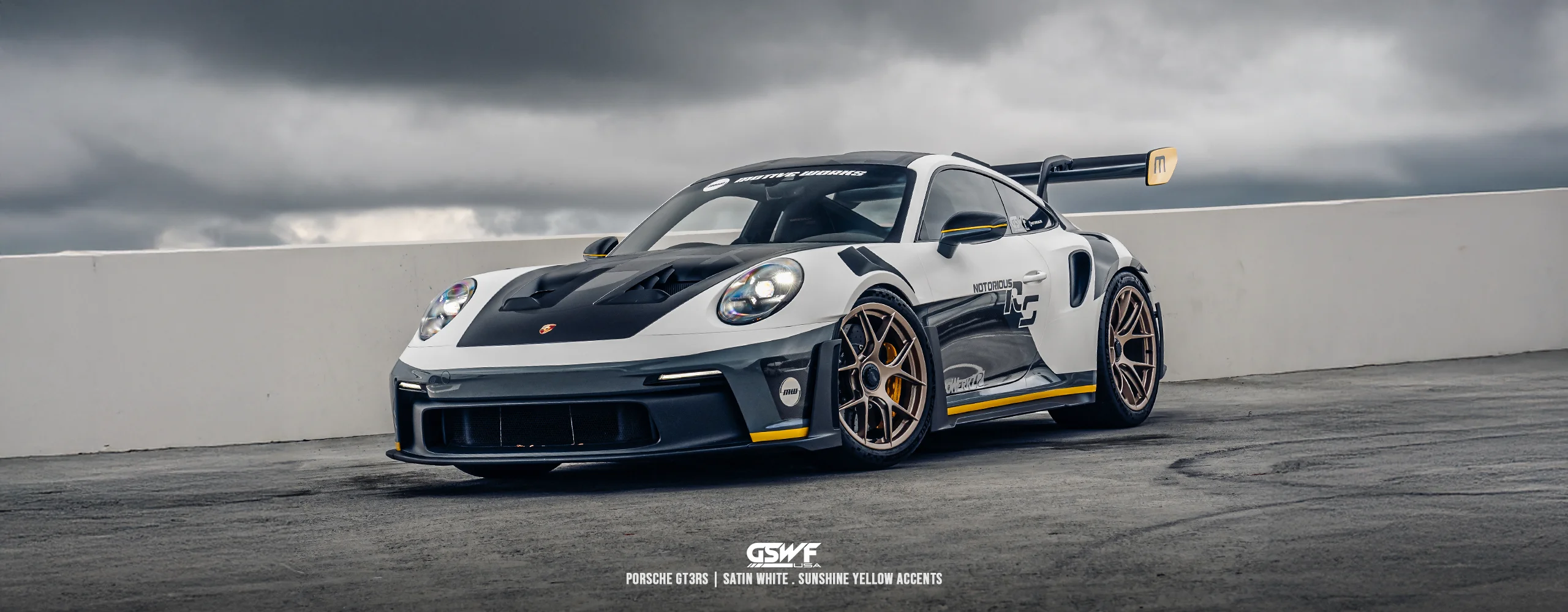
PPF for Cars in India: The Ultimate Guide to Paint Protection Film (2026 Edition)
India’s roads are hard on car paint. A good paint protection film (PPF) for your car is the simplest way to keep that factory finish looking new for years. This 2026 guide covers what the film is, the honest pros and cons, real ₹ prices by car type, and how to pick a studio you can trust.
1. The Rise of Paint Protection Film in India
India’s automotive detailing industry has evolved rapidly, and paint protection film is now a must-have for car owners who want to preserve their vehicle’s beauty and resale value.
From daily drivers to luxury supercars, more enthusiasts are choosing a PPF for their car — an almost invisible layer that combines real protection with long-lasting gloss.
Want to understand whether the film is truly worth it first? See our detailed take on the real benefits and drawbacks.
2. What Is Paint Protection Film (PPF)?
Paint protection film is a transparent polyurethane film applied over your car’s painted surfaces to protect them from scratches, stone chips, UV rays and contaminants. Think of it as a clear, self-healing shield that takes the damage so your paint doesn’t.
Key features
- Self-healing surface (light scratches vanish with heat)
- Hydrophobic, water-repelling top layer
- UV resistance to slow sun-fade
- High-gloss or matte finish options
- Long lifespan of up to 10 years
Explore GSWF’s premium range
- Clear PPF — for high-gloss, invisible protection
- Stealth PPF — a matte-finish style
- Infused Colour PPF — protection with colour customisation
- Taillight PPF — stylish rear protection
3. Why Your Car Needs PPF in India (2026 Perspective)
India’s road conditions — from gravel and potholes to dust and pollution — make paint protection essential. A single stone chip can ruin your car’s finish, but a quality film acts as invisible armour.
Top benefits
- Shields against minor scratches and abrasions
- Protects paint from UV rays and bird droppings
- Preserves resale value
- Enhances gloss or gives a clean satin look
4. Is a Paint Protection Film Good or Bad for Your Car? An Honest Look
No detailing job is perfect, and the honest answer is that a quality film does far more good than harm — as long as it’s fitted by trained hands. Here’s the balanced view most sales pages won’t give you.
The upside
- Real physical protection. A good 190–210 micron film (about twice the thickness of a human hair) absorbs stone chips, light scratches and trolley dings that would otherwise reach your paint.
- Self-healing surface. The top coat on premium films flows back into shape with heat — a few minutes in the sun, or a splash of warm water, and light swirl marks disappear.
- Better resale value. Factory paint kept chip-free reads as a well-cared-for car. On a ₹25–40 lakh SUV, that can mean tens of thousands more at resale.
- Stain and UV defence. It shrugs off bird droppings, tree sap and hard-water spots, and slows the sun-fade that dulls reds and blacks in Indian summers.
The honest trade-offs
- Upfront cost. Full-body coverage runs into six figures — it’s an investment, not an impulse buy.
- It’s only as good as the installer. A rushed, dusty install leaves lifted edges and trapped bubbles. Fitment matters more than the brand on the box.
- Cheap film can yellow. Low-grade PVC film discolours in 2–3 years. A proper TPU (a flexible, self-healing plastic) film with anti-yellowing UV blockers stays clear for its full warranty.
Verdict: for most Indian car owners who keep their car for years, a well-fitted quality film is money well spent. Just choose the film and the studio carefully — which is exactly what the rest of this guide helps you do. For the full picture, read our honest benefits-and-myths breakdown.
5. Types of Paint Protection Film (PPF) in India
Here’s a quick overview of the popular film types available:
| Type | Finish | Ideal for | Durability |
|---|---|---|---|
| Clear PPF | Glossy | Invisible protection | ⭐⭐⭐⭐⭐ |
| Stealth PPF | Matte | Matte-finish lovers | ⭐⭐⭐⭐ |
| Colour Infused PPF | Custom colours | Style + protection | ⭐⭐⭐⭐ |
| Taillight PPF | Tinted | Stylish rear protection | ⭐⭐⭐⭐ |
Want a finish-by-finish comparison? Explore our clear vs stealth vs colour price guide.
6. How the Film Works: The Science Behind the Shield
PPF is a multi-layered thermoplastic polyurethane (TPU) film built for flexibility and resilience. The topcoat self-heals light marks, while the core TPU layer absorbs impacts and stops them reaching your paint.
Curious about the self-healing chemistry? See the technology that lets these films repair themselves.
7. How the Film Holds Up on Indian Roads and in Our Weather
India is genuinely tough on car paint, and this is where the right protection earns its keep. Global brand pages rarely talk about our conditions — but they’re the whole reason to protect your car here.
- Monsoon & acid rain: A hydrophobic top layer beads rainwater and stops the acidic grime of the first showers from etching your clear coat.
- Dust and gritty roads: In cities like Jaipur, Delhi and Ahmedabad, airborne dust acts like fine sandpaper during washes. The film takes those micro-scratches instead of your paint.
- Heat: Surface temperatures on a parked car cross 60–65 °C in an Indian summer. Quality TPU film is UV-stabilised to handle this without hazing or lifting.
- Potholes and gravel: Stone chips on bumpers, bonnet edges and the lower doors are the most common paint damage on our highways — and the film’s strongest use case.
- Coastal salt air: In Chennai, Mumbai and Kochi, salt-laden air speeds up corrosion under paint chips. Sealing the surface helps keep moisture out.
This is why the same car often needs a thicker, better-warrantied film in India than it would in a milder climate.
8. PPF vs Ceramic Coating: Which Is Better for You?
| Feature | Paint protection film | Ceramic coating |
|---|---|---|
| Scratch resistance | High | Moderate |
| Stone chip protection | ✅ Yes | ❌ No |
| Finish | Gloss / matte / colour | Gloss only |
| Lifespan | 7–10 years | 2–3 years |
Many enthusiasts choose a combo — film for impact protection, plus ceramic on top for an easy-clean, water-repelling finish.
9. Cost of PPF in India (2026 Updated Guide)
The cost of car PPF in India depends on film quality, car size and installer expertise. Here are typical full-body ranges:
| Car type | Clear PPF | Stealth PPF | Colour Infused PPF |
|---|---|---|---|
| Hatchback | ₹65,000 – ₹90,000 | ₹85,000 – ₹1,10,000 | ₹1,00,000+ |
| Sedan | ₹80,000 – ₹1,20,000 | ₹1,00,000 – ₹1,40,000 | ₹1,20,000+ |
| SUV | ₹1,00,000 – ₹1,50,000 | ₹1,20,000 – ₹1,70,000 | ₹1,40,000+ |
For a detailed breakdown by car type, visit our full cost guide for hatchbacks, sedans and SUVs, or compare finishes in the clear, colour and stealth price guide.
10. Which Cars Benefit Most from Paint Protection Film?
Almost any car is worth protecting, but a few categories get the most value for the money in India.
| Car type | Popular examples | Why it’s worth it |
|---|---|---|
| Compact SUVs | Hyundai Creta, Kia Seltos, Tata Nexon | India’s best-sellers; high resale and lots of highway miles = bonnet chips |
| Off-roaders | Mahindra Thar, Force Gurkha | Rough terrain, gravel and branch scratches make a strong case for full-body film |
| Family SUVs | Toyota Fortuner, Mahindra XUV700 | Big paint area, premium price — protecting it pays back at resale |
| Luxury & performance | BMW, Mercedes, Audi, sports cars | Expensive re-paints and delicate finishes; full-body coverage is common |
| Dark or bright colours | Any black, red or white car | Swirl marks and sun-fade show most on these shades — the film keeps them deep and glossy |
Want a price for your exact car and colour? Get a no-obligation quote from a certified GSWF studio near you — it takes two minutes.
11. How PPF Installation Works
Fitting the film is a precision-driven process carried out by certified professionals. A typical install includes:
- Surface cleaning and decontamination
- Paint correction, if needed
- Pre-cutting the film using computerised plotters
- Wet installation and careful edge-wrapping
- Heat curing and a final inspection
12. DIY vs Professional Fitting: Can You Apply It Yourself?
Technically yes — you can buy film online and try it at home. In practice, it’s one of the hardest detailing jobs there is, and a home attempt usually costs more than it saves.
- Precision cutting: Studios use software-driven plotters that pre-cut film to your exact model. Hand-cutting on the car risks blade marks in your paint.
- A dust-free bay: A single speck of dust under the film shows forever. Professionals work in filtered, temperature-controlled rooms — a driveway can’t match that.
- Stretching and edge-wrapping: Tucking film cleanly around mirrors, handles and curves takes practice; done badly, the edges lift within weeks.
- Warranty: A professional install comes with a 5–10 year warranty covering yellowing and peeling. A DIY job has none.
Bottom line: a small kit for headlights or a door-edge is a fine weekend project. For anything you actually care about, a trained installer is worth every rupee.
13. PPF Maintenance Tips for Long-Lasting Protection
To keep the film performing at its best:
- Wash your car weekly to stop grime building on the surface
- Avoid abrasive cloths and brushes
- Skip old-style waxes; use PPF-safe sealants instead
- Deal with bird droppings and tree sap quickly
14. How to Choose a Good Studio: A Buyer’s Checklist
The film matters, but the studio matters more. Run through this before you book:
- Ask the film’s exact spec. A genuine answer sounds like “TPU film, ~200 microns, 8-year anti-yellowing warranty.” Vague answers are a red flag.
- See the warranty in writing. It should be a manufacturer-backed warranty card, not just a verbal promise.
- Check the install bay. A proper studio has a clean, enclosed, dust-controlled room — not an open garage.
- Look at real work. Ask to see a finished car and inspect the edges around the bonnet, mirrors and bumper for clean tucks and no lifting.
- Confirm it’s genuine film. Insist on branded, certified film with a batch number — the counterfeit market is real.
Want to understand every step before you decide? Read our complete guide to how the film works and what to look for.
15. Why Choose GSWF Paint Protection Film
GSWF films are engineered for Indian conditions, with:
- Self-healing TPU technology
- Lifetime warranty options
- A certified installer network across Indian cities
- Clear, Stealth, Infused Colour and Taillight film options
16. Frequently Asked Questions
What is the cost of PPF for a car in India?
It typically costs ₹65,000–₹90,000 for a hatchback, ₹80,000–₹1,40,000 for a sedan and ₹1,00,000–₹1,50,000+ for an SUV, depending on the film type and how much of the car you cover.
Is PPF good for your car?
Yes. A quality 190–210 micron film protects paint from stone chips, scratches, UV fade and stains, and can improve resale value — provided you use genuine TPU film and a trained installer.
Can I apply PPF to my own car?
You can buy DIY kits, but full-body film is a highly technical job needing pre-cut film, a dust-free bay and edge-wrapping skill. A professional install also carries a 5–10 year warranty that DIY does not.
How long does the film last?
A good professionally fitted film lasts 7–10 years, backed by a 5–10 year warranty against yellowing and peeling, even in India’s heat, dust and monsoon.
Can the film be removed?
Yes — it can be safely removed by professionals without damaging your paint, and it comes off cleanly when heated correctly.
Does the film affect gloss?
No. A clear film can enhance gloss, while a stealth film gives a smooth matte look — either way your paint stays protected underneath.
17. Final Thoughts: Protect Your Passion with GSWF India
Whether it’s a premium sedan or an everyday SUV, your car deserves long-term protection. With GSWF’s advanced films you get durability, clarity and enhanced looks that hold up to Indian roads.
Ready to protect your car? Find a certified GSWF studio near you and get a quote.